
Pigmentation treatment in Melbourne
A practical starting point for melasma-type pigmentation, sun spots, post-breakout marks and uneven skin tone. Begin with complimentary skin analysis, then follow the treatment pathway that suits your pigment pattern and skin tolerance.
New client offer 20% off your first eligible facial, peel or Cosmelan treatmentFind out what type of pigmentation you may be dealing with
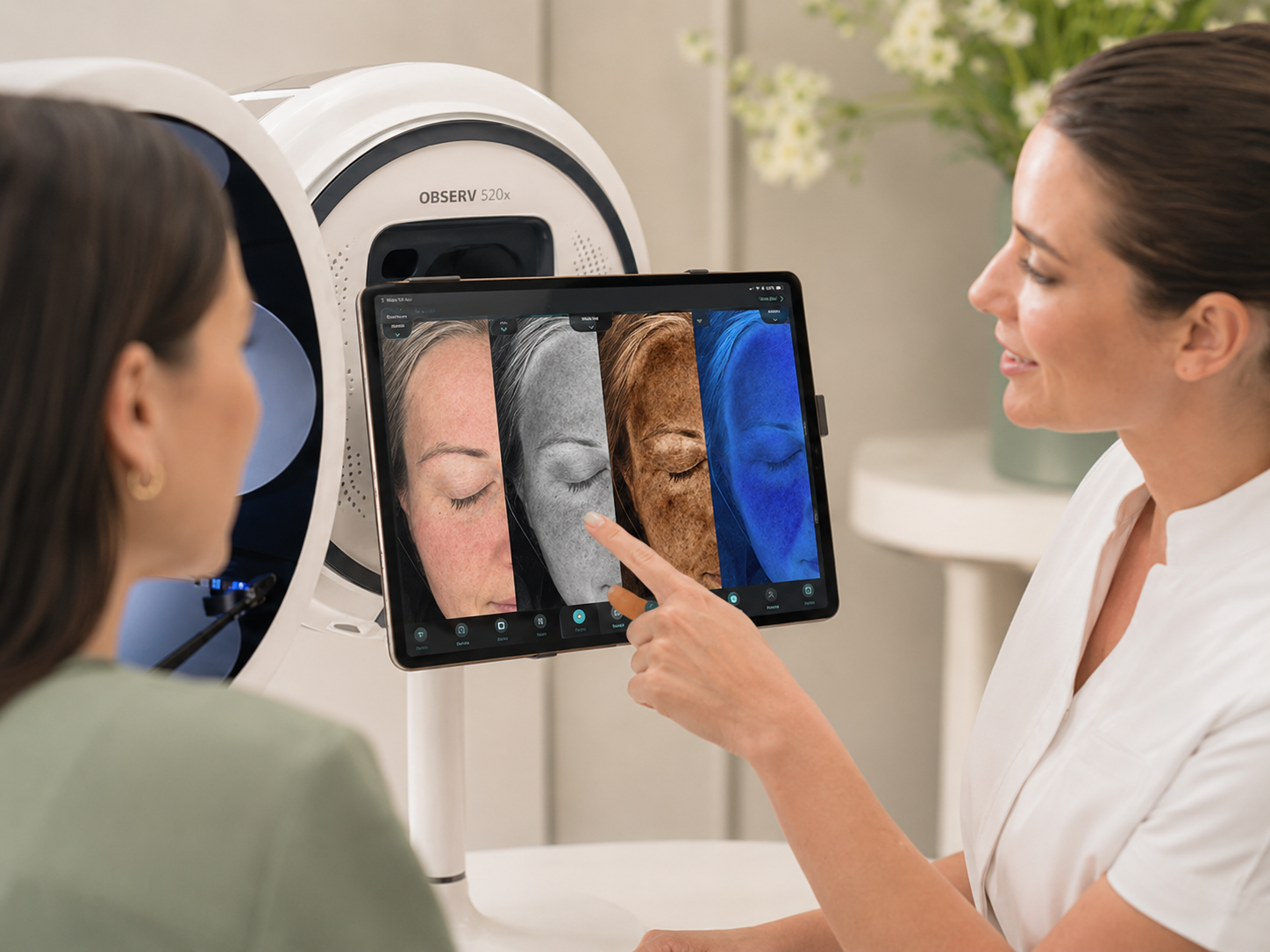
Different pigment patterns require different treatment plans. Your complimentary OBSERV 520X skin analysis helps us review pigmentation, redness, texture, sensitivity and barrier condition before recommending Cosmelan, a facial or peel, SQT or home care.
20% off applies to your first eligible facial, peel or Cosmelan treatment after consultation. Treatment suitability and final pricing are confirmed before proceeding.
Understand the visible pattern before choosing a strong peel, active skincare or a longer pigmentation program.
Pigmentation is not one condition
The appearance, trigger and behaviour of the pigment help determine whether cosmetic treatment is appropriate and which pathway makes sense.
Melasma-type patches
Often appears as broader, symmetrical areas of pigmentation. Heat, hormones, sun exposure and irritation may influence how it behaves.
Sun spots and uneven tone
More defined areas of visible pigment may develop after cumulative sun exposure. Treatment depends on the pattern and whether the area is appropriate for cosmetic care.
Post-breakout marks
Dark marks can remain after acne or inflammation settles. The active breakout and the residual pigmentation may need different treatment plans.
Pigmentation after irritation
Skin trauma, over-exfoliation, picking or unsuitable treatments can leave darker marks, particularly in pigment-prone skin.
Freckles and general mottling
A scattered pattern may need a different approach from melasma or post-inflammatory pigmentation. Assessment helps avoid treating every brown mark the same way.
A new or changing mark
New, changing, irregular, bleeding or otherwise concerning spots should be medically assessed before any cosmetic pigmentation treatment.
Which pigmentation option may make sense?
These pathways serve different needs. The consultation is used to narrow them down rather than combining everything automatically.
Cosmelan depigmentation program
A structured in-clinic and home-care pathway for suitable melasma-type pigmentation, dark patches and stubborn uneven tone. It involves preparation, visible downtime and several months of home care.
View Cosmelan treatment →Professional facials and peels
Medik8 and mesoestetic treatments may suit selected clients with dullness, surface pigmentation and uneven tone. Peel strength is chosen after skin and barrier assessment.
View facials and peels →SQT Bio-Microneedling
May be considered when pigmentation sits alongside rough texture, congestion, enlarged pores or post-breakout marks. It is not automatically suitable for every pigment pattern.
View SQT options →Professional home care
A consistent routine can support treatment and reduce avoidable irritation. Product selection may include antioxidant, retinal, exfoliating, pigment-support and sun-protection steps where suitable.
View Medik8 skincare →Healite II LED add-on
LED may be added after selected peels or skin treatments for $39 where suitable. It supports comfort and recovery but is not presented as a standalone correction for pigmentation.
View Healite II LED →Medical assessment first
Cosmetic treatment should not begin on a lesion that is new, changing, irregular or otherwise concerning. A GP or dermatologist should assess it first.
See when to seek review →
What changes the recommendation?
The strongest treatment is not necessarily the right treatment. Pigmentation-prone or irritated skin may need a slower approach.
- Pigmentation pattern and likely trigger
- Skin tone and risk of post-inflammatory pigmentation
- Current redness, sensitivity or barrier impairment
- Active acne, picking or ongoing inflammation
- Current skincare, medication and recent treatments
- Downtime tolerance and ability to follow home care
- Sun exposure and willingness to use daily protection
From skin analysis to maintenance
Analyse the skin
OBSERV 520X imaging helps us look beyond surface colour and review pigment distribution, redness, texture and barrier condition.
Identify the pattern
We separate melasma-type pigmentation, sun-related spots, post-breakout marks and pigment caused by irritation or inflammation.
Stabilise first if needed
If the skin is irritated, inflamed or breaking out, the first step may be barrier support or acne management rather than an active pigment treatment.
Select the pathway
Your plan may involve Cosmelan, a facial or peel, SQT, professional home care or referral for medical assessment.
Protect the result
Pigmentation treatment requires consistent home care, sun protection and avoidance of unnecessary irritation.
Not every dark mark should be treated cosmetically
Skin analysis helps with cosmetic planning, but it does not diagnose skin cancer or other medical skin conditions.
Arrange medical assessment before treatment if a mark is new, changing, irregular, bleeding, crusting, painful, persistently itchy or otherwise concerning. We may also recommend medical or dermatology review when the pigmentation pattern is unclear.
Do not conceal a concerning lesion with cosmetic treatment. Obtain appropriate medical assessment first.
Common pigmentation treatment starting points
Pricing is secondary to selecting the right pathway. Your recommendation and final price are confirmed after analysis.
OBSERV 520X skin analysis
The recommended first step when you are unsure which pigmentation pathway is suitable.
Professional facials
Medik8 Superfacial and Crystal Retinal Facial options where suitable.
Professional peels
Medik8 and mesoestetic peel options selected after assessment.
Cosmelan program
A more involved pigmentation pathway with in-clinic treatment and structured home care.
Current offer: 20% off your first eligible facial, peel or Cosmelan treatment. Healite II LED is available as a $39 add-on with selected treatments.
Pigmentation treatment questions
Common questions about melasma-type pigmentation, post-breakout marks, peels, Cosmelan and professional home care.
There is no single best treatment for every type of pigmentation. Melasma-type patches, sun spots, post-breakout marks and pigmentation caused by irritation behave differently. We start with skin analysis, then recommend Cosmelan, a professional peel or facial, SQT, home care or medical review where appropriate.
Skin imaging can help us assess visible patterns and plan cosmetic care, but it does not replace medical diagnosis. New, changing, irregular or concerning lesions should be reviewed by a GP or dermatologist.
No. Cosmelan may suit selected clients with melasma-type pigmentation, dark patches and persistent uneven tone, but consultation is required. Some clients need a gentler pathway, medical review or control of active inflammation first.
A professional peel may improve selected surface pigmentation and uneven tone, but it is not appropriate for every pigment pattern. An unsuitable or overly aggressive peel can irritate the skin and may worsen pigmentation in pigment-prone clients.
SQT may be considered when post-breakout marks occur alongside texture, pores or congestion. Active inflamed acne, sensitivity and pigmentation risk need to be assessed before treatment.
Pigmentation may recur when triggers remain active. Sun exposure, heat, hormones, inflammation, skin trauma and inconsistent home care can all affect pigment behaviour. Maintenance and daily sun protection are therefore important.
A well-chosen home routine can support treatment and help reduce avoidable irritation. Depending on your skin, this may include antioxidant, retinal, exfoliating, pigment-support and sunscreen products. Strong active ingredients should be introduced carefully.
New clients can receive 20% off their first eligible facial, peel or Cosmelan treatment after consultation. The treatment selected depends on suitability and the type of pigmentation being addressed.
Seek medical assessment for a spot that is new, changing, irregular, bleeding, crusting, painful, persistently itchy or otherwise concerning. Cosmetic treatment should not begin until a suspicious lesion has been assessed.
Choose the pathway that matches your skin
Cosmelan Pigmentation Treatment
A structured in-clinic and home-care program for suitable persistent pigmentation and melasma-type concerns.
Learn more →Facials & Peels
Professional Medik8 and mesoestetic options for selected surface pigmentation, tone and texture concerns.
Learn more →SQT Bio-Microneedling
A skin-renewal option where pigmentation sits alongside texture, congestion or post-breakout marks.
Learn more →Redness & Sensitive Skin Support
A barrier-first pathway for redness, reactivity and skin that cannot tolerate aggressive pigment treatment.
Learn more →See also: OBSERV 520X skin analysis · Medik8 skincare · Our locations
Start with complimentary skin analysis
Find out whether your next step should be Cosmelan, a professional facial or peel, SQT, home care or medical assessment.