Plamere

Plamere plasma treatment

A precise plasma pathway for selected skin concerns

Plamere is a consultation-led treatment option for selected concerns across the eye area, face, neck, skin surface and small body areas. Your practitioner plans treatment around the concern, the area, your skin and the recovery that is appropriate for you.

Book a Plamere consultation

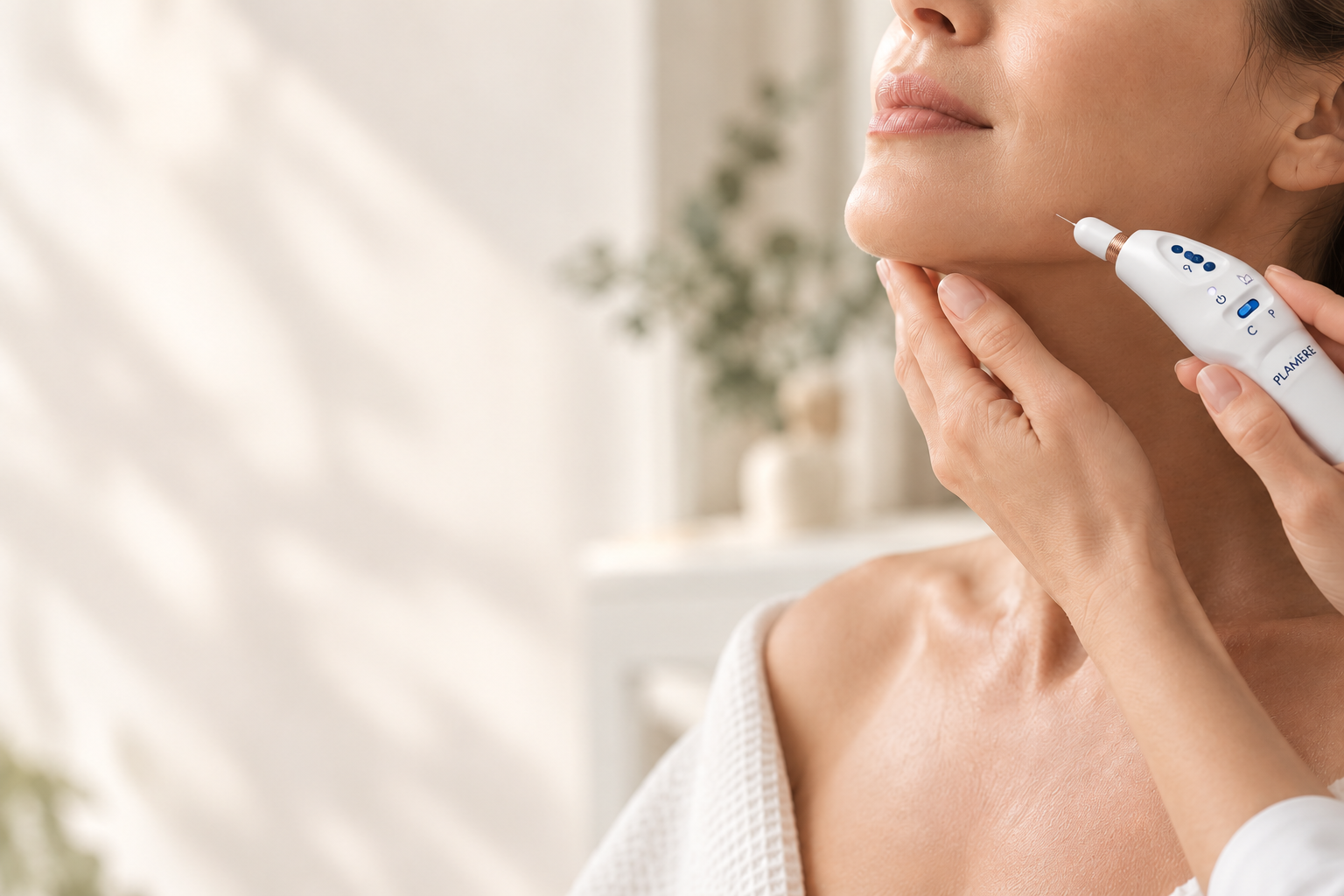
Plamere plasma device held near a patient’s jawline during a consultation-led treatment

Available at all three Avesa locations
Essendon, Lower Templestowe and Craigieburn.

What is Plamere

A controlled plasma approach to selected skin-renewal concerns

How plasma treatment works

Controlled superficial micro-injuries

Plamere is a minimally invasive, consultation-led plasma treatment. A fine handheld probe generates a small plasma arc just above the skin surface, without direct contact. When precisely mapped, it creates controlled, superficial micro-injuries at selected points rather than treating the whole area at once.

The skin response

Healing, collagen and elastin support

Those micro-injuries prompt the skin’s natural healing response. During healing, fibroblast activity may support collagen and elastin renewal in the treated area. The approach, spacing and aftercare are planned around your skin quality, concern and recovery window.

Where Plamere may be used

One device, carefully planned around the area and concern

The same approach is not used everywhere. Treatment mode, mapping and recovery are selected according to the location, skin condition and the result being discussed.

Eye area

  • Selected upper-eyelid or hooded-eye skin
  • Selected lower-eyelid skin concerns
  • Crow’s feet, fine lines and texture
  • Mild eyelid-drooping or ptosis concerns assessed individually

Face and neck

  • Forehead lines, nasolabial folds (laugh lines) and marionette lines
  • Smoker’s or kissing lines around the upper lip
  • Selected jawline, lower-face, neck-line and skin-texture concerns

Scars and texture

  • Selected acne-scar texture concerns
  • Small post-surgical scar appearance concerns
  • Stretch marks and texture concerns that may be assessed and treated

Skin tags, spots and moles

  • Selected skin tags
  • Benign-looking superficial spots after assessment
  • Moles only after appropriate medical review
  • Location and healing history reviewed first

Small body areas

  • Carefully defined crepey-looking skin
  • Selected skin-texture or laxity concerns
  • Small scars or stretch marks where appropriate

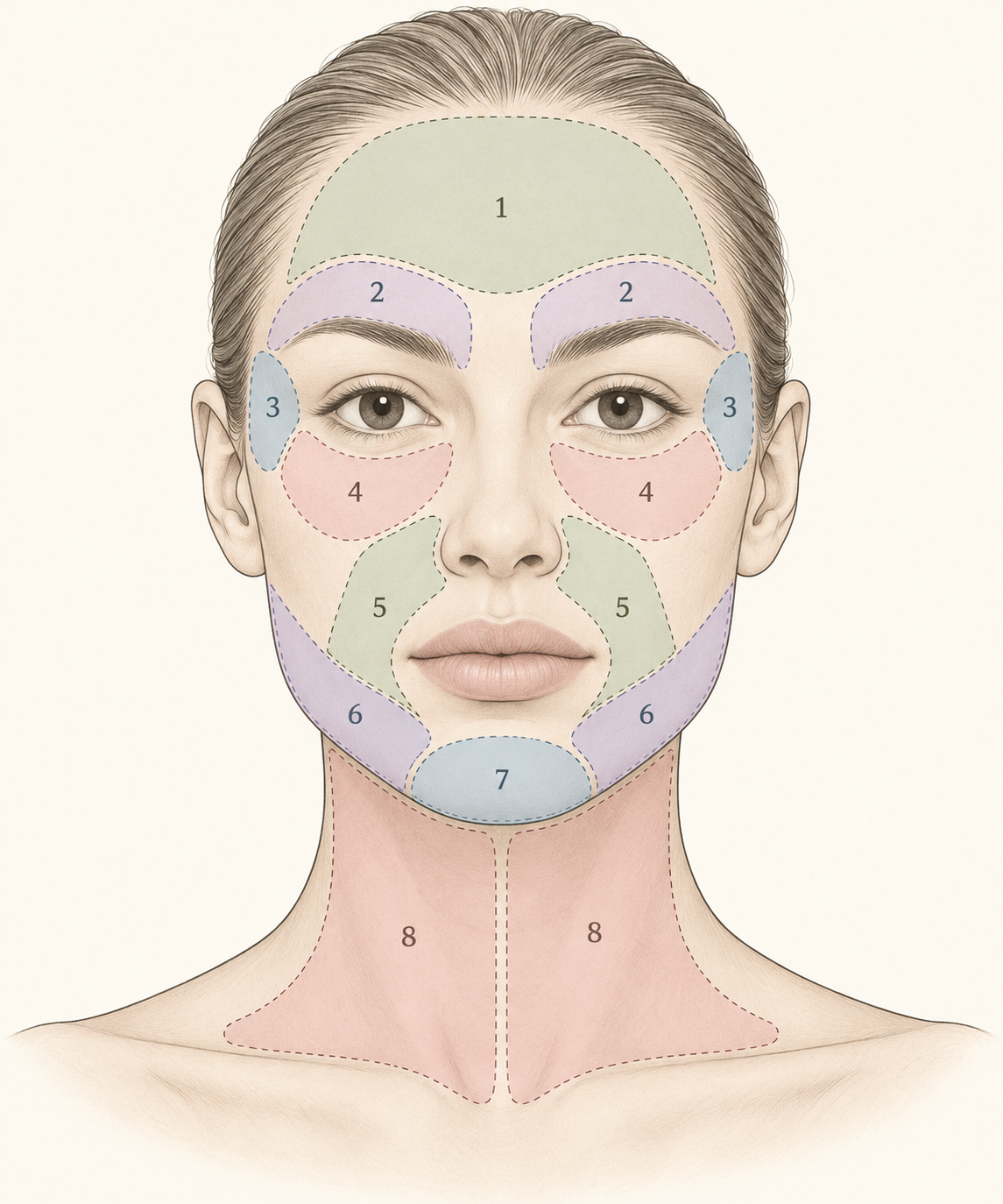
Face and neck treatment map

Start with the whole area, not one line in isolation

What is assessed

Your practitioner looks at the location, depth and pattern of the concern, as well as skin quality, movement, healing history and the recovery you can allow for.

Illustrated Plamere face and neck treatment map
Areas are mapped individually so treatment can be planned around the concern, skin condition and recovery window.

ForeheadFine lines and selected texture concerns.
Eye areaUpper and lower eyelid skin, outer-eye lines and texture.
Nose and upper lipSelected surface lines, including smoker’s or kissing lines, and skin texture.
Smile-line areaNasolabial folds (laugh lines), marionette lines and selected surface-texture concerns.
Jawline and lower faceSelected laxity and texture discussions.
NeckSelected neck lines, crepey-looking skin and texture concerns.

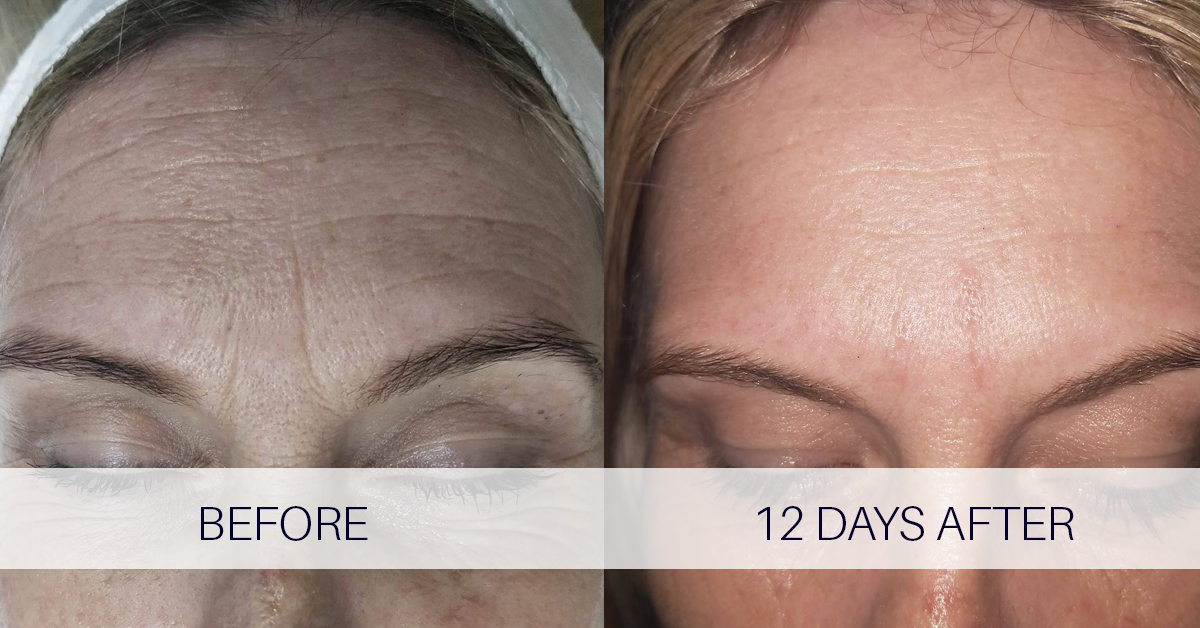
Supplier-provided forehead before-and-after clinical image
Supplier-provided clinical imagery: forehead skin-texture example.

Forehead example

What a precisely planned forehead treatment can look like

This supplier-provided image sits alongside the assessment map as an educational example. The consultation considers the pattern of the concern, skin condition, treatment spacing and the recovery appropriate for you.

Individual treatment plans, healing and outcomes vary. This image does not guarantee an individual result.

The treatment process

Consult, treat, heal and review

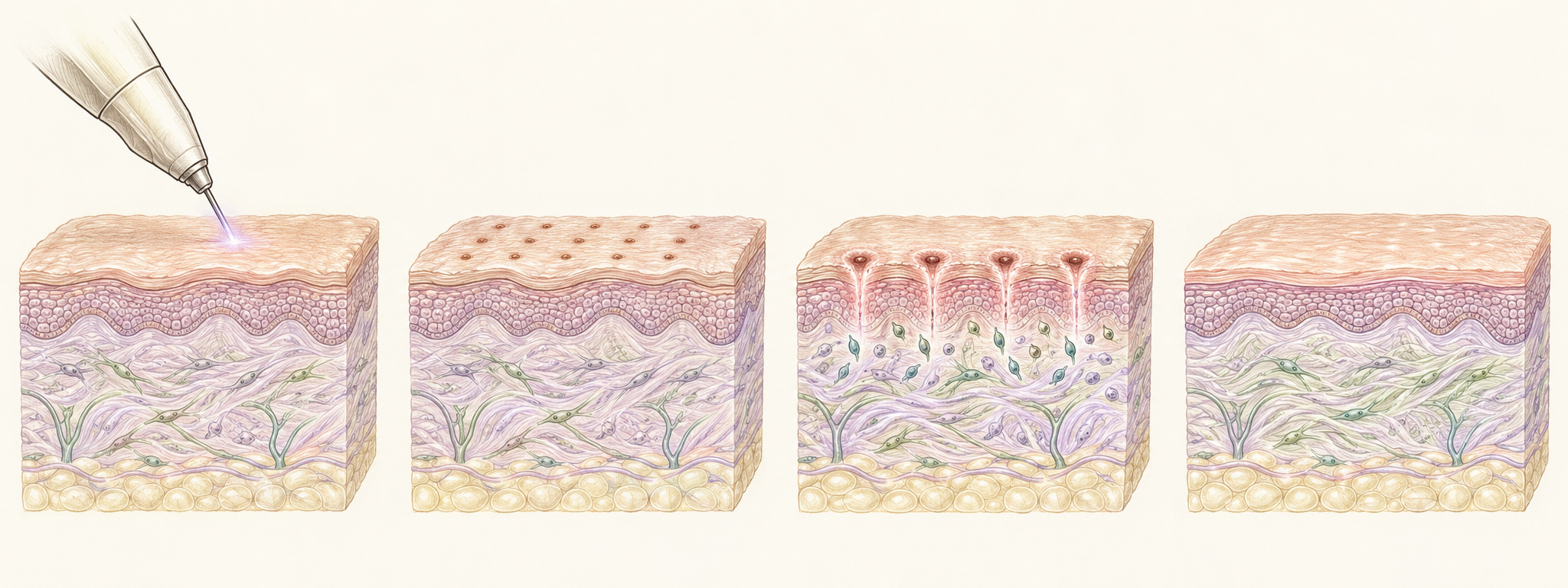
A precisely mapped plasma arc creates controlled, superficial micro-injuries at selected points on the skin. This starts a local healing response; over time, fibroblast activity may support collagen and elastin renewal in the treated area. Your plan includes the treatment pattern, healing window and practical aftercare.

01

Consult

Your practitioner reviews your skin, relevant history, treatment area and goals, then confirms whether Plamere is appropriate.

02

Treat

The area is mapped precisely. A fine probe creates controlled plasma arcs just above the skin surface, forming superficial micro-injuries in the selected pattern.

03

Heal and review

Tiny surface marks may form while the area heals. Healing response and timing vary by area and individual; you receive clear aftercare guidance and review timing before treatment begins.

Illustrated explanation of the Plamere plasma renewal process
The visual explains the intended sequence: precise surface micro-injuries, a natural healing response, then gradual collagen-and-elastin support in the treated area. It is an educational illustration; individual healing and responses vary.

Plamere treatment modes

Different approaches for different treatment goals

Each approach changes the way treatment points are delivered. Your practitioner first assesses the concern and treatment area, then explains which approach may be appropriate and why.

Plasma Arc

What it means: a pinpoint plasma arc is used to create carefully placed surface treatment points without the tip directly touching the skin.

How it may be used: selected eyelid-skin planning, skin tags and selected superficial spots after assessment.

Plasma Lifting

What it means: a precisely spaced pattern of plasma points is mapped across a selected area to create a controlled localised surface response.

How it may be used: selected fine-line, wrinkle and skin-laxity concerns.

Plasma Permeating

What it means: a product-support pathway used within a professionally planned protocol rather than a stand-alone resurfacing treatment.

How it may be used: to support application of appropriate skincare or cosmetic products where this is part of the planned approach.

Plasma Fractional

What it means: treatment points are distributed across a selected area, allowing a resurfacing-focused approach while leaving surrounding skin between the points.

How it may be used: selected texture, small-scar and skin-renewal concerns after assessment.

Eye treatment pathway

Precise planning for selected eyelid and eye-area concerns

For selected upper-eyelid or hooded-eye skin concerns, Plamere’s Plasma Arc mode may be discussed as a non-surgical blepharoplasty pathway. It is a precisely mapped surface treatment approach for selected eyelid skin, without surgical incisions or removal of skin.

It may also be discussed for selected lower-eyelid skin, crow’s feet, fine lines and crepey-looking skin or texture around the eye area. Mild eyelid-drooping or ptosis concerns are assessed individually, as the right pathway depends on the cause and whether a medical review is needed. Suitability, recovery and expected outcome are confirmed during an eye-area consultation.

Explore eye treatments

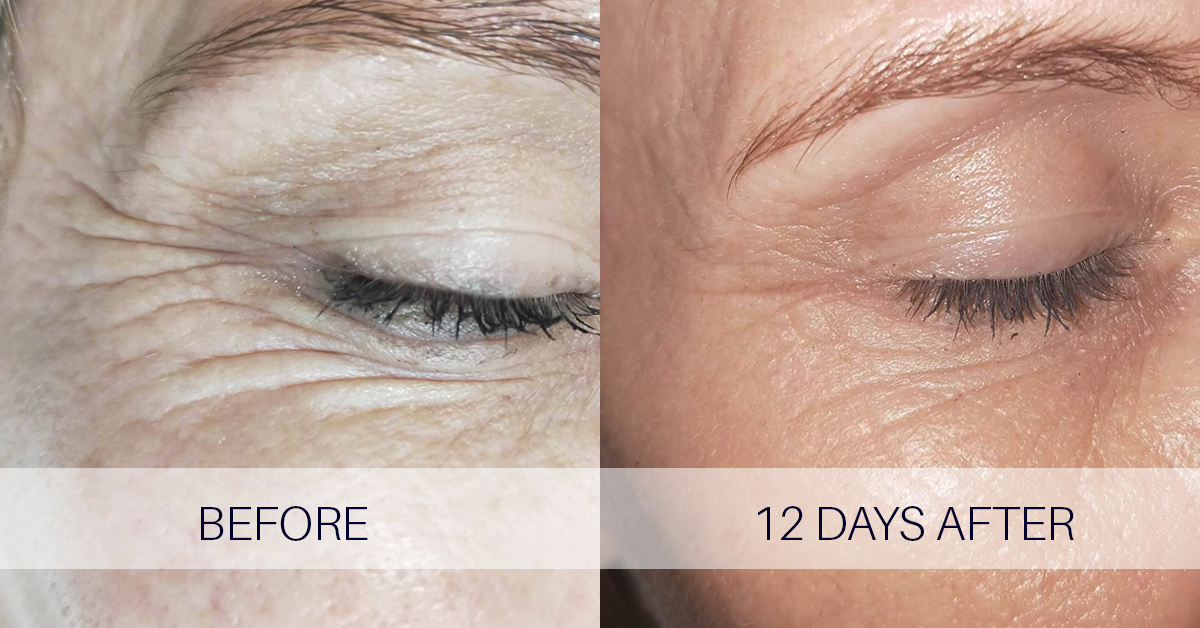
Supplier-provided outer-eye before-and-after clinical image
Supplier-provided clinical imagery: outer-eye texture example.
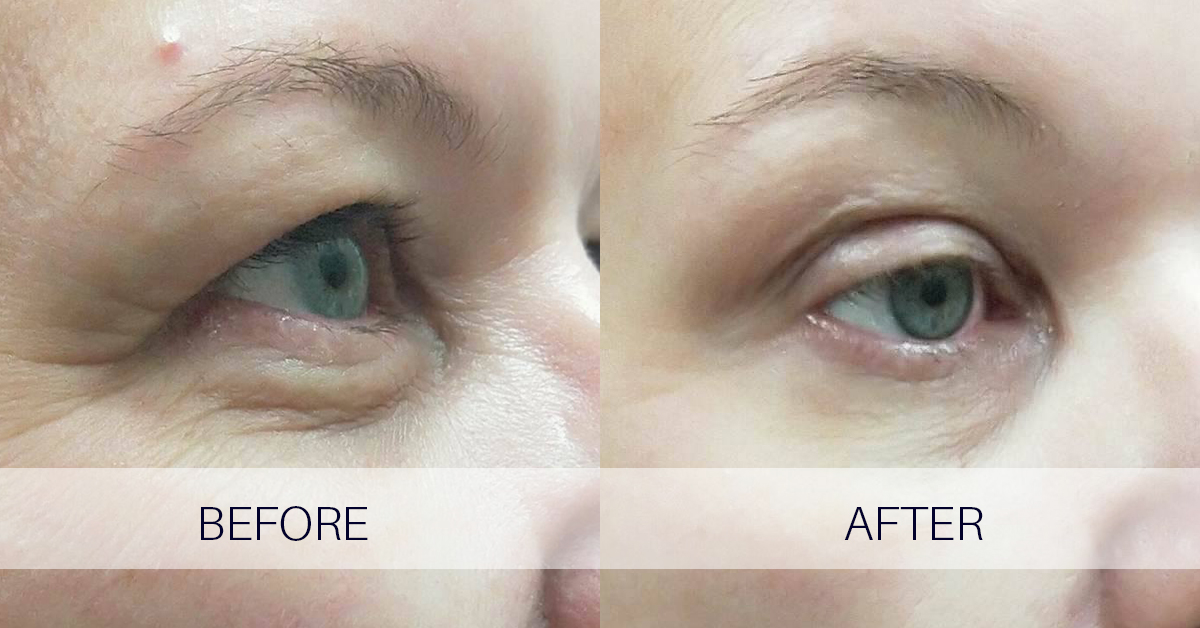
Supplier-provided eye-area before-and-after clinical image
Supplier-provided clinical imagery: eye-area example.
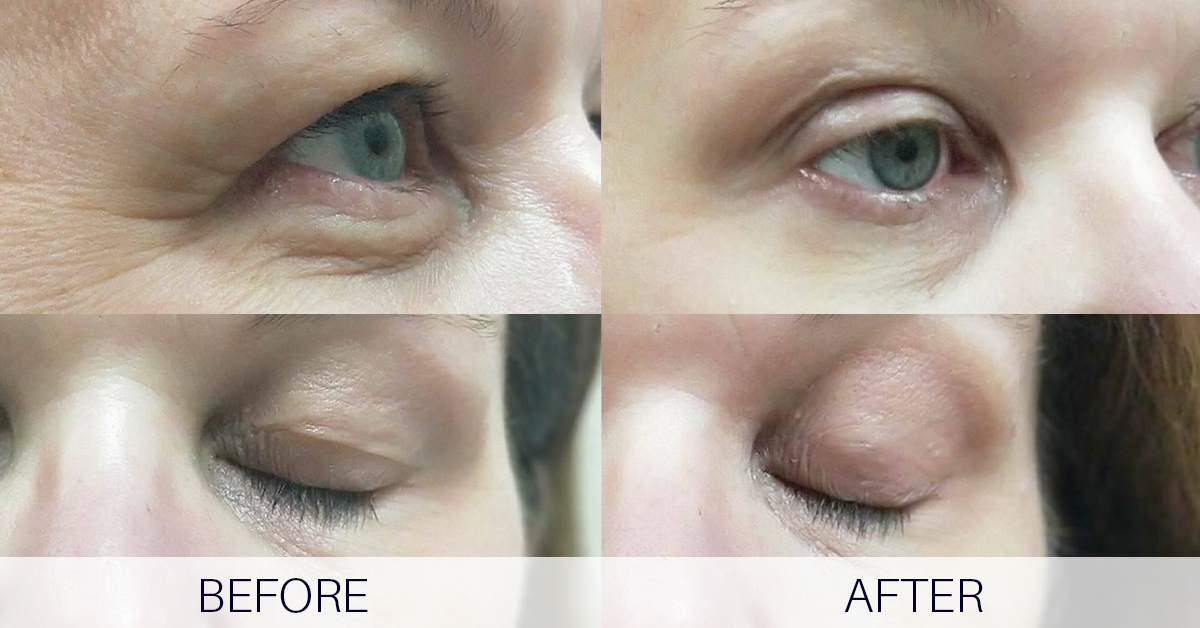
Supplier-provided eyelid before-and-after clinical image
Supplier-provided clinical imagery: eyelid-area example.

Individual treatment plans, healing and outcomes vary. These images are provided for education and do not guarantee an individual result.

Skin tags and surface concerns

Selected surface concerns require their own careful assessment

Skin tags and selected spots

Planning starts with the individual area

Selected skin tags and benign-looking superficial spots may be assessed for a targeted plasma pathway. The exact concern, location, skin condition and healing history are reviewed before treatment is considered.

Moles and changing lesions

Medical review comes first

Any mole, changing lesion, irregular spot or area of clinical concern must be reviewed by an appropriate doctor or dermatologist before cosmetic treatment is considered. A cosmetic plasma approach is not a substitute for that review.

Body and surface concerns

Carefully defined body areas, not a whole-body treatment

Plamere may be assessed for small, carefully defined areas of crepey-looking skin, texture, selected laxity, small scars or stretch marks and texture concerns. Treatment is planned around the specific area, skin condition and recovery period.

It is not a whole-body treatment. During consultation, we will be clear about whether Plamere, another skin pathway or a different approach is most appropriate.

Recovery and aftercare

Practical preparation and aftercare guidance

Recovery depends on the area and treatment approach. We will give you your individual aftercare plan during consultation, including what to expect and when to contact us.

First days

The treated area may feel warm and can develop small surface marks or crusts. Keep the area dry and avoid scratching or picking.

Days 5 to 10

Surface marks may begin to shed naturally. Do not abrade the area; your practitioner will guide you on suitable skincare and makeup timing.

Weeks 2 to 4

The area can remain pink or tender while the skin settles. Sun protection remains important.

Following weeks

Skin continues to settle over time. Review and any further session timing are based on healing and your treatment plan.

Pricing

Plamere pricing is coming soon

We are finalising treatment pathways, area-based planning and introductory options. Your consultation will still cover likely scope, recovery and the costs relevant to your individual plan.

Request a Plamere consultation

Available at Essendon, Lower Templestowe and Craigieburn.

Frequently asked questions

Helpful answers before your consultation

What is Plamere?

Plamere is a handheld plasma device used in professionally planned treatment pathways for selected skin-surface, texture and eyelid concerns. The relevant tip, mode and mapping are chosen only after assessment.

What does controlled plasma treatment mean?

A fine probe creates a controlled plasma arc at the skin surface. For selected treatments, this creates a localised surface response and supports the skin’s natural healing process.

Can Plamere be used around the eyes?

For selected upper-eyelid skin, lower-eyelid skin, crow’s feet and texture concerns, Plamere may be discussed within a careful eye-area consultation.

What is non-surgical blepharoplasty?

It is a non-surgical, precisely mapped plasma treatment pathway that may be discussed for selected upper-eyelid or hooded-eye skin concerns. It does not involve surgical incisions or surgical removal of skin.

What are the different treatment modes?

Plasma Arc, Plasma Lifting, Plasma Permeating and Plasma Fractional are approaches used for different treatment goals. Your practitioner explains the relevant mode if it is appropriate for your concern.

Can skin tags or spots be assessed?

Selected skin tags and benign-looking superficial spots may be assessed. Any mole, changing lesion, irregular spot or area of clinical concern requires appropriate medical review before cosmetic treatment is considered.

Can it be used on the body?

Plamere may be assessed for small, carefully defined body areas with selected texture, crepey-looking skin, small scars, stretch marks and texture concerns. Your consultation considers the individual area, skin condition, treatment approach and recovery period.

What will recovery involve?

Recovery depends on the treatment area and approach. You may experience temporary warmth, surface marks, crusting, pinkness or tenderness while the area heals. We explain aftercare, suitable skincare, sun protection and review timing before you proceed.

How many sessions will I need?

Session number and timing depend on the concern, area, chosen approach and individual healing response. Further treatment is considered only after the treated area has healed and been reviewed.

Who may not be suitable?

Suitability is confirmed during consultation. Your practitioner will ask about relevant health history, medicines, allergies, recent procedures, healing history and skin condition before recommending a pathway.

How long is the appointment?

Appointment length varies according to the area being assessed and the planned treatment. Your team will explain timing and any preparation required when you book.

When will pricing be available?

Pricing and introductory options are being finalised. We will discuss the likely treatment scope and applicable costs during your consultation once an appropriate pathway has been identified.

Where are Plamere consultations available?

Plamere consultations are available at Essendon, Lower Templestowe and Craigieburn.
Plamere consultation

Tell us what you would like assessed

Send a direct enquiry and our team can arrange a Plamere consultation at your preferred location. We will discuss your concern, the treatment area, suitability, recovery and likely costs before you decide.

Please do not include sensitive medical information in this form. Your medical history is discussed privately during consultation.

Request a consultation

A few details will help our team direct your enquiry to the right practitioner.

What would you like to discuss? *
Preferred contact method *